How to Improve Local Search Ranking: A Business Owner's Playbook
Nov 10, 2025
1 mins read
Author

Why Local SEO for Businesses Is Your Secret Weapon for Getting Found
Local SEO for businesses is the process of optimizing your online presence to attract customers in your specific geographic area. Here's a quick overview:
46% of all Google searches have local intent, meaning nearly half of searchers are looking for nearby solutions.
Local SEO helps you appear in the Map Pack, the three business listings at the top of local searches.
It targets high-intent customers who are searching "near me" and are ready to buy.
Your Google Business Profile is the foundation and your most powerful local SEO asset.
Success requires a multi-faceted approach, including reviews, citations, and local content.
Today, 86% of people use the internet to find local services. If you're not visible in these searches, you're missing out on customers actively seeking your offerings.
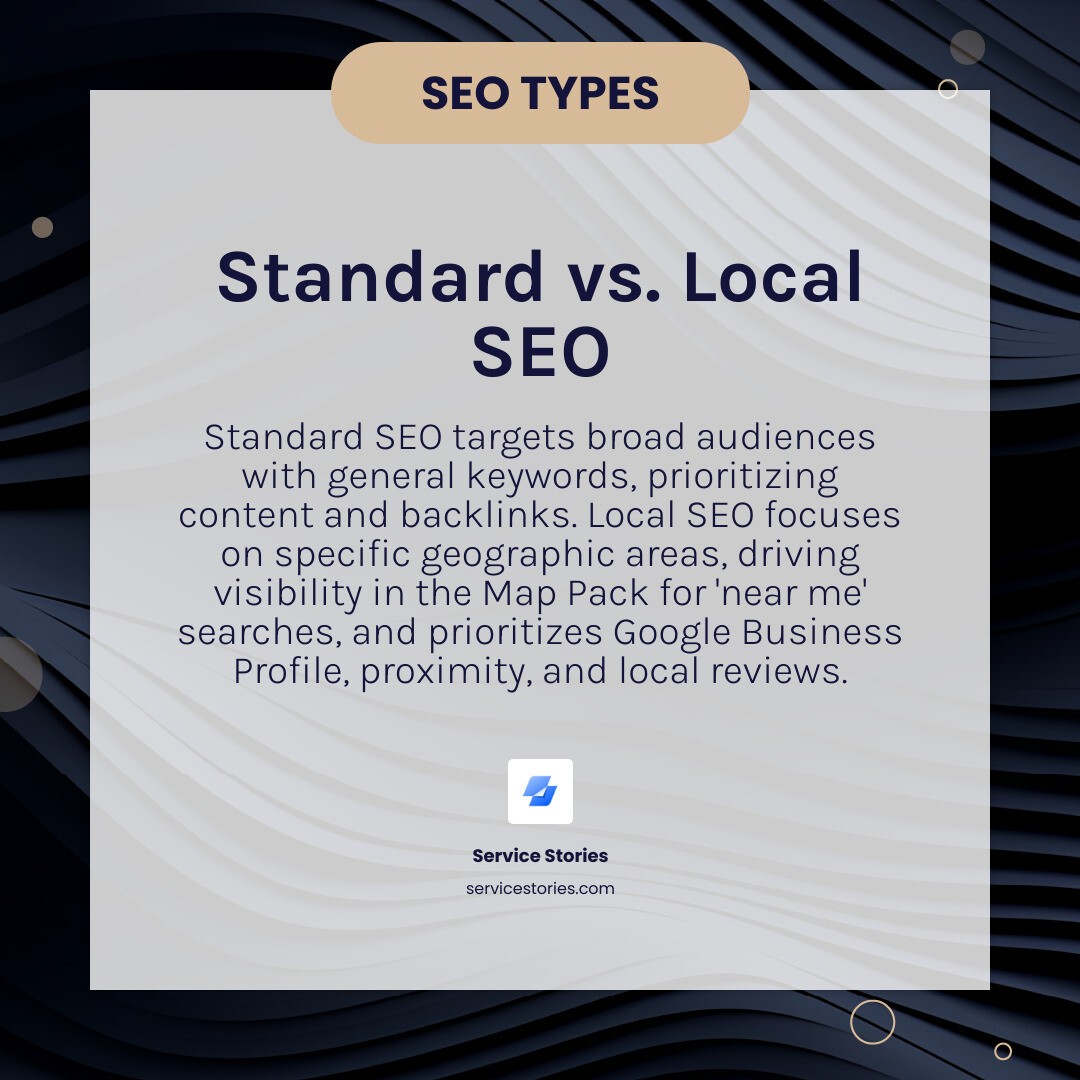
Unlike standard SEO which targets a broad audience, local SEO focuses on specific geographic areas with keywords like "plumber in Boston." Google prioritizes different signals for local search, such as proximity, local reviews, and your Google Business Profile, whereas standard SEO relies more on general content quality and backlinks.
I'm Joe Toscano, and I've spent my career helping businesses turn their work into marketing that drives results. From my work featured in Netflix's "The Social Dilemma" to helping small businesses, I've seen how effective local SEO for businesses can be at changing visibility and attracting premium clients.
How Local Search Works: Key Ranking Factors for Google
When someone searches for a local service, Google's algorithm tries to match what they're looking for with where they are. This process delivers billions of local search results every month.
Local results are pulled from three main places: the Map Pack (the top three businesses with a map), the Local Finder (seen when you click "More places"), and the localized organic results further down the page.
The Three Pillars of Local Ranking
Google uses three main factors to rank local businesses:
Relevance: This is about matching your business to the search query. If someone searches for a "vegan bakery," Google won't show a steakhouse. A complete and accurate Google Business Profile is crucial for establishing relevance.
Distance: Google prioritizes businesses that are physically close to the searcher. It uses the user's GPS location for "near me" searches or the location specified in the query, like "dentist in Springfield."
Prominence: This is Google's measure of your business's online reputation and trustworthiness. It's influenced by customer reviews, website quality, backlinks from other sites, and consistent business citations. A well-known business with many positive reviews will rank higher.
These three pillars work together. A highly relevant business will struggle to rank if it's too far away or has a poor online reputation.
What's the Difference Between Standard SEO and Local SEO?
While both aim to increase online visibility, they operate differently. Standard SEO targets a national or global audience, while local SEO for businesses focuses on becoming the go-to choice in your neighborhood.
Here are the key differences:
Geographic Focus: Standard SEO is broad; local SEO is geographically specific.
Keyword Intent: Standard SEO often targets informational queries ("how to fix a leak"). Local SEO targets transactional queries ("plumber near me").
Audience Scope: Standard SEO casts a wide net. Local SEO targets people in your area who need your services now.
Ranking Signals: For local SEO, your Google Business Profile, reviews, and proximity are paramount. For standard SEO, content quality and backlinks are more critical.
Primary Goal: Standard SEO builds brand awareness. Local SEO drives immediate actions like phone calls and store visits.
Search Appearance: Standard SEO aims for organic rankings. Local SEO targets the Map Pack and Local Finder.
In short, standard SEO wants everyone to know your name. Local SEO wants everyone in your area to have your number.
The Foundation of Local SEO for Businesses
Your local SEO for businesses strategy needs a solid foundation. The most critical piece is consistency. Your business name, address, and phone number (NAP) must be identical everywhere online. Inconsistent information confuses search engines and hurts your ranking.
Master Your Google Business Profile (GBP)
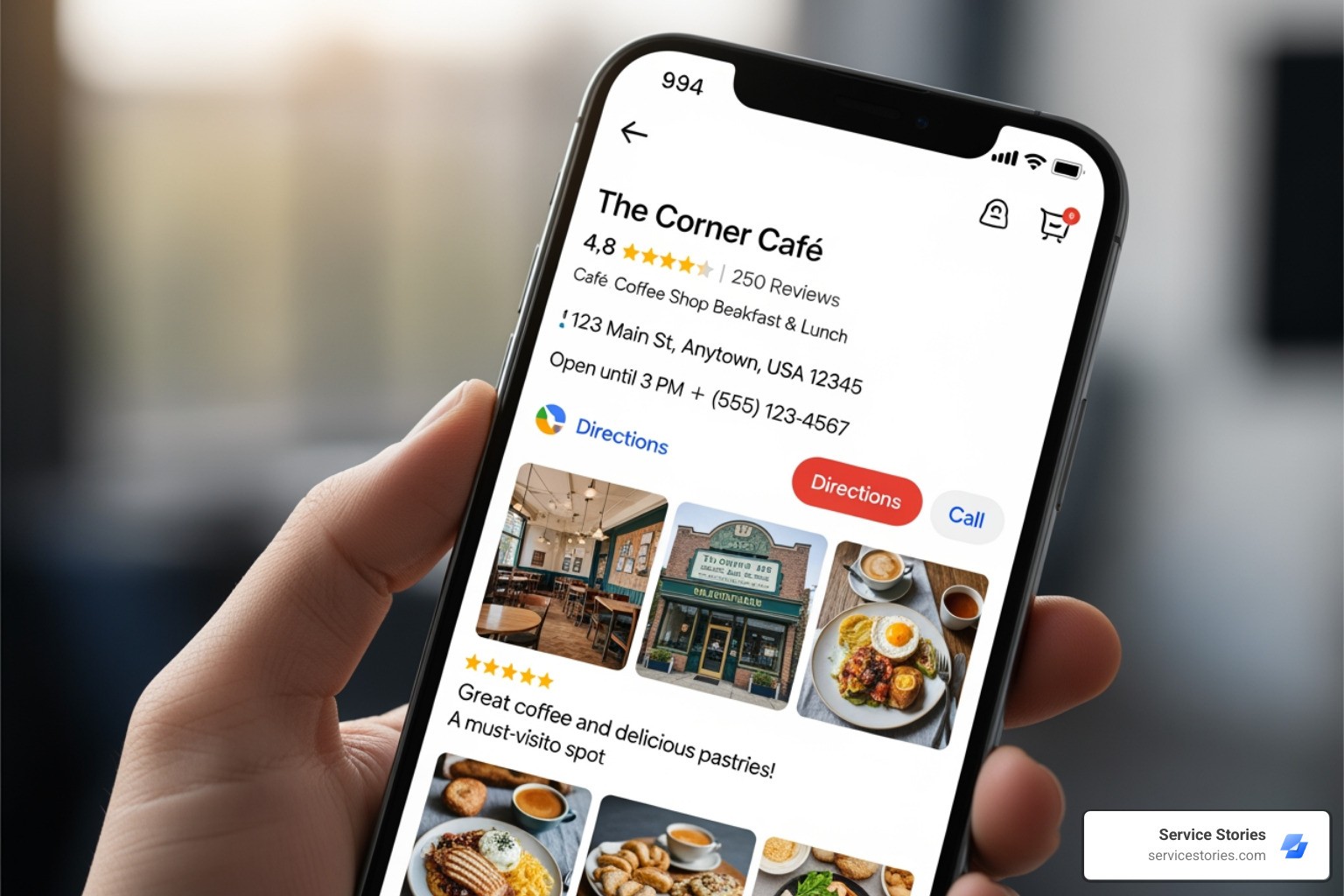
Your Google Business Profile is your most powerful local SEO asset. It controls how you appear in Google Search, Maps, and the coveted "Map Pack." With only 56% of local businesses having claimed their GBP, optimizing yours is a huge advantage.
Claim and verify your profile at Google Business Profile. This gives you control over your listing.
Ensure your NAP is perfect. Your name, address, and phone number must be character-for-character identical to your website and other listings.
Choose categories carefully. Select a primary category for your main service and add secondary ones for everything else you offer.
Write a helpful business description. Use your 750 characters to explain what makes you special, using keywords naturally.
Upload photos and videos. Businesses with photos get more clicks and direction requests. Show off your storefront, team, and work.
Use Google Posts regularly to share updates, offers, and events to keep your profile fresh.
Answer questions in the Q&A section. Proactively add common questions and answers to show you're attentive.
Build Accurate Local Citations and Directory Listings
Citations are online mentions of your NAP. Google uses them to verify your business's existence and location. Consistency is key; even minor differences like "Street" vs. "St." can create doubt for Google.
Data aggregators like Factual and Infogroup distribute your information to hundreds of platforms, so ensuring your data is correct with them is vital. Focus your efforts on:
Major platforms: Bing Places for Business and Apple Maps.
Top directories: Yelp, Yellow Pages, and TripAdvisor.
Industry-specific sites: Get listed on directories relevant to your niche (e.g., dental directories for a dentist).
Managing these listings is time-consuming. Service Stories offers citation management solutions to ensure consistency without the manual effort.
Why Online Reputation Management is Key for Local SEO for Businesses
Your online reputation is a ranking factor. Google considers your review quantity, recency, and sentiment. With 95% of customers reading online reviews, they provide crucial social proof.
Crucially, responding to reviews matters. Google has confirmed that replying to reviews strengthens your local presence. It shows you care about customer experience. Reviews also offer free business intelligence.
Proactively managing your reputation is essential for local SEO for businesses. Service Stories offers reputation management tools to help you monitor and respond to reviews efficiently. Learn more about our services to integrate this into your strategy.
On-Site Strategy: Turning Your Website into a Local Magnet
Your website is your digital storefront. For local SEO for businesses, it must do more than look good—it needs to attract local customers. This means ensuring your site is fast, mobile-friendly (since many local searches happen on the go), and provides a great user experience.
Essential Steps for Local Keyword Research
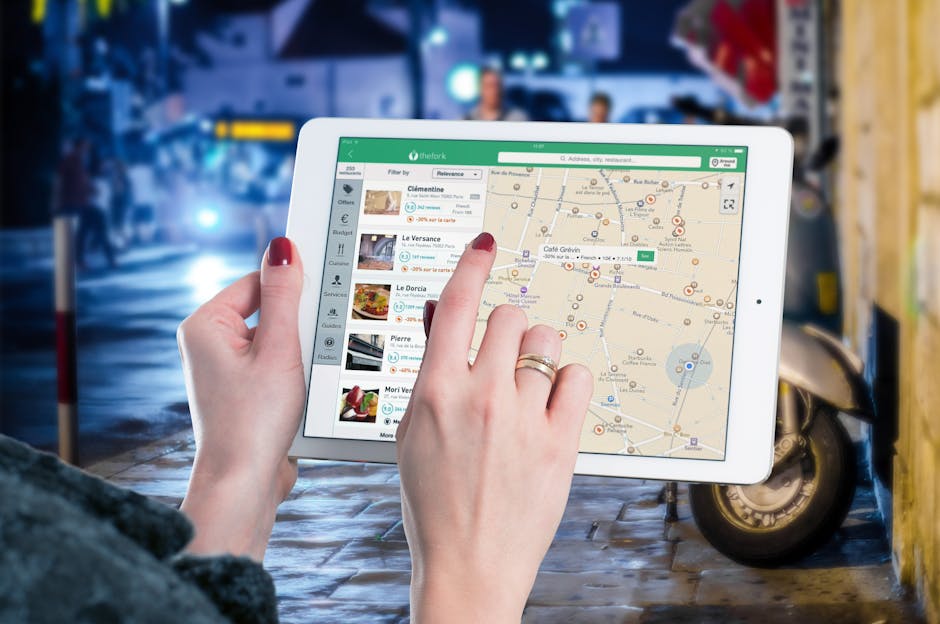
Local keyword research focuses on phrases your neighbors use when they need help. Start by listening to your customers' language. Then, identify service and location combinations, like "roofing contractor Riverside" or "pizza near me." Don't forget to check what keywords your competitors are ranking for using tools like Google's Keyword Planner. The goal is to build content around real search patterns in your area.
How to Create and Optimize Localized Landing Pages
If you serve multiple locations, create dedicated landing pages for each area. A page for "Barbershop in Gaslamp Quarter" is more effective than a generic "Services" page. Make each page unique and valuable by mentioning local landmarks or addressing neighborhood-specific concerns.
Optimize your on-page elements:
Title tags and meta descriptions should include your target location and service.
Headers (H1, H2) should incorporate local keywords naturally.
Embed a Google map of your location on each page.
Add LocalBusiness schema markup to give search engines structured data about your business, which can help you appear in rich results.
Effective Local Content Marketing for Your Business
Local content marketing shows you're part of the community. Don't just write generic blog posts; create content that demonstrates your local connection.
Highlight community involvement: Write about sponsoring a local team or participating in a festival.
Feature customer spotlights: Share stories of how you helped local customers. A real story is more compelling than a generic testimonial.
Create helpful local guides: A guide to "Home Maintenance in Chicago Winters" positions you as a local expert.
This is where Service Stories excels. Our platform automatically turns your completed jobs into AI-optimized content for your website and social media. Every job becomes proof of your expertise, helping you appear in Google AI Overviews and ChatGPT. It's content marketing that showcases your real work to attract more customers. For more tips, read our Blog.
Building Authority: Reviews, Links, and Social Signals
With a solid foundation, it's time to build authority through off-page SEO. These trust signals tell Google and customers that your business is a valued part of the community.
The Critical Role of Customer Reviews in Local SEO for Businesses
Since 95% of customers read online reviews, they are a critical part of your local SEO for businesses strategy. Google looks at your review quantity, positivity, and recency. A steady stream of positive reviews signals that your business is active and trusted, which directly impacts your prominence in local search.
Responding to reviews is just as important. Google has confirmed that replies to reviews help strengthen your local presence. It shows potential customers you are engaged and care. Don't be shy about asking satisfied customers for a review right after a great service experience.
Service Stories review management tools can help you monitor and respond to reviews across platforms without it consuming your day.
How to Earn High-Quality Local Backlinks
Backlinks are votes of confidence from other websites. For local SEO, links from other local sites are especially powerful. You can earn them by:
Forming local partnerships with complementary businesses and linking to each other.
Sponsoring local events, teams, or charities, which often results in a backlink from the organization's website.
Getting local press coverage by pitching newsworthy stories to local media outlets.
Guest posting on local blogs or joining your Chamber of Commerce for a directory listing.
Genuine community involvement is the common thread. The more you participate in local life, the more backlink opportunities will arise naturally.
Using Social Media to Support Local SEO
While social media doesn't directly boost Google rankings, it's a mistake to ignore it. It acts as an amplifier for your other SEO efforts. An active social presence creates social proof, building trust and confidence. It also expands your brand visibility within the community, keeping you top-of-mind.
Use social platforms to share your local content, like community stories and customer spotlights. Encourage user-generated content by making it easy for customers to tag your business or check in at your location. These actions create authentic endorsements and signal to search engines that you're an active, real-world business.
Service Stories helps you create this content by changing your completed work into ready-to-share posts for your website and social media, building your authority across all channels.
Measuring Success: Tools and Metrics for Your Strategy
You can't improve what you don't measure. Tracking your local SEO for businesses strategy is essential to understanding what works and what doesn't. With the right tools and metrics, you can see how your efforts translate into real-world ROI.
The Best Tools for Tracking Local SEO Performance
Your local SEO toolkit should include a few key tools:
Google Business Profile Insights: Shows how users find and interact with your profile (views, clicks, calls, direction requests).
Google Search Console: Provides data on your website's performance in Google Search, including keywords and technical issues.
Google Analytics: Tracks user behavior on your website, which can be filtered by geographic location.
Rank Tracking Tools: Monitor your position in the Map Pack and local organic results for target keywords.
Citation & Review Monitoring Tools: Help you maintain NAP consistency and manage customer feedback.
The Service Stories local SEO dashboard integrates many of these functions, allowing you to monitor performance and manage your online presence from a single location.
How to Measure the Success of Your Local SEO Strategies
Focus on these Key Performance Indicators (KPIs) to determine if your local SEO for businesses strategy is working:
Map Pack Rankings: Your position in the top three results for your most important keywords.
Organic Local Rankings: Your ranking in traditional search results for location-specific queries.
Website Traffic from Local Searches: An increase in visitors from your target geographic area.
Google Business Profile Interactions: The number of phone calls, website clicks, and direction requests from your profile.
Conversions: The number of form submissions, leads, or sales generated from local search efforts.
Review Volume and Rating: A steady increase in new, positive reviews.
By reviewing these KPIs regularly, you can make informed decisions to refine your strategy, double down on what's working, and fix what's broken.
Frequently Asked Questions about Local SEO
How long does it take to see results from local SEO?
Local SEO for businesses is a long-term strategy, not an overnight fix. While you might see some quick wins within a few weeks of optimizing your Google Business Profile, meaningful changes in rankings and customer inquiries typically take 3 to 6 months of consistent effort. In competitive markets, it can take longer. Local SEO is an ongoing process where results compound over time.
What is the most important factor in local SEO?
There's no single magic bullet. Success comes from a holistic approach. However, your Google Business Profile is the non-negotiable foundation. Beyond that, Google balances multiple factors:
Proximity: How close you are to the searcher.
Relevance: How well your business matches the search query.
Prominence: Your online reputation, built through reviews, backlinks, and citations.
On-Page Signals: Your website's content and technical optimization.
All these elements must work together to achieve top rankings.
Can I do local SEO myself?
Yes, many business owners successfully manage their own local SEO for businesses. The basics are accessible, and free tools like Google Business Profile and Search Console are powerful. If you're willing to invest the time to learn and be consistent, you can achieve great results.
However, it is time-consuming. As your business grows or competition increases, strategies become more complex. Many owners eventually decide their time is better spent serving customers. Platforms like Service Stories can help by automating content creation from your completed jobs, allowing you to do effective local SEO simply by doing your daily work. The question is not if you can do it, but if you should.
Conclusion: Your Playbook for Local Dominance
Local SEO for businesses is not a one-time task but an ongoing process, like tending a garden. Consistent effort leads to sustainable growth.
We've covered the essentials: your Google Business Profile is your digital storefront, NAP consistency is crucial for trust, and online reviews are invaluable. You now know how to use local keywords, create localized landing pages, and build authority through community engagement.
These tactics work together. A great website encourages reviews, which boost your Map Pack rank, which is reinforced by consistent citations. It's a holistic strategy designed to make it easy for local customers to find you when they're ready to buy.
The businesses that win at local search are those that commit to the long game, engage with their community, and showcase their real-world expertise online.
This is where Service Stories comes in. We believe your best marketing is the work you do every day. Our platform turns your completed jobs into compelling, AI-optimized content. This proves your expertise in a way that Google AI Overviews and ChatGPT can recognize and recommend, showing customers what you're capable of with real project examples.
Your daily work tells a story. Let's make sure the right people hear it. Start turning your work into powerful local content that dominates local search.